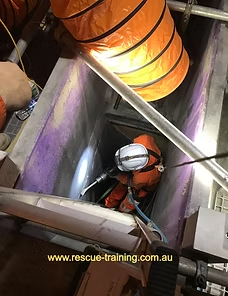
Working at heights is one of the most dangerous tasks across industries such as construction, maintenance, utilities, and emergency response. Falls from elevated surfaces are a leading cause of workplace injuries and fatalities worldwide. Implementing comprehensive fall protection and height safety measures is essential for safeguarding workers, minimizing risk, and ensuring compliance with safety regulations.
Understanding Fall Hazards
Falls can occur in numerous ways—slipping on wet surfaces, losing balance on ladders or scaffolding, structural failures, or being struck by falling objects. Height hazards are not limited to extreme elevations; even working just a few feet above ground confined space training WA can result in serious injury. Understanding these risks is the first step toward effective fall prevention and developing a proactive safety culture.
Core Elements of Fall Protection
Fall protection encompasses a combination of equipment, training, and procedures designed to prevent accidents. The key elements include:
- Personal Protective Equipment (PPE): Properly fitted harnesses, lanyards, helmets, and non-slip footwear are essential. PPE should be inspected regularly for wear or damage to ensure reliability.
- Guardrails and Safety Nets: Physical barriers prevent falls from edges and platforms. Safety nets provide additional protection in areas where guardrails are impractical.
- Anchorage Points and Lifelines: Secure anchor points allow workers to attach harnesses and fall arrest systems, limiting fall distance and impact forces.
- Fall Arrest Systems: Devices such as shock-absorbing lanyards, retractable lifelines, and rope grabs reduce the risk of injury during a fall by slowing and controlling descent.
Training and Competence
Equipment alone is not enough. Workers must receive comprehensive height safety training to understand hazards, use fall protection systems correctly, and respond to emergencies. Training should cover hazard recognition, proper equipment fitting and inspection, safe climbing techniques, and rescue procedures. Regular drills and refresher courses help reinforce skills and ensure readiness for real-world scenarios.
Risk Assessment and Planning
A proactive approach involves conducting a thorough risk assessment before starting any task at height. Identify potential hazards, evaluate structural integrity, and plan safe work procedures. Contingency plans for emergencies—such as self-rescue or victim recovery—are crucial for reducing response time and preventing accidents.
Creating a Safety-First Culture
Beyond equipment and training, fostering a culture of safety is vital. Organizations should encourage hazard reporting, enforce safety procedures, and reward compliance. Supervisors play a key role in leading by example, conducting regular safety inspections, and ensuring all workers understand the importance of fall protection.
Continuous Improvement
Height safety is an ongoing process. Regularly review safety policies, update training programs, and incorporate lessons learned from incidents or near misses. Technological advancements, such as smart fall arrest devices and monitoring systems, can enhance protection and reduce risks further.
Conclusion
Fall protection and height safety are essential components of workplace safety. By combining proper equipment, thorough training, careful planning, and a safety-focused culture, organizations can prevent falls, protect workers, and maintain operational efficiency. Prioritizing these practices ensures that working at heights is conducted safely, minimizing risks and safeguarding lives.